Manifattura Tabacchi

Strategic Urban Regeneration – Transforming Cities, Shaping Futures

©ZOA3D
Location Verona (VR), Italy
Client Supernova Management, VR.RE.Srl
Architect Snøhetta
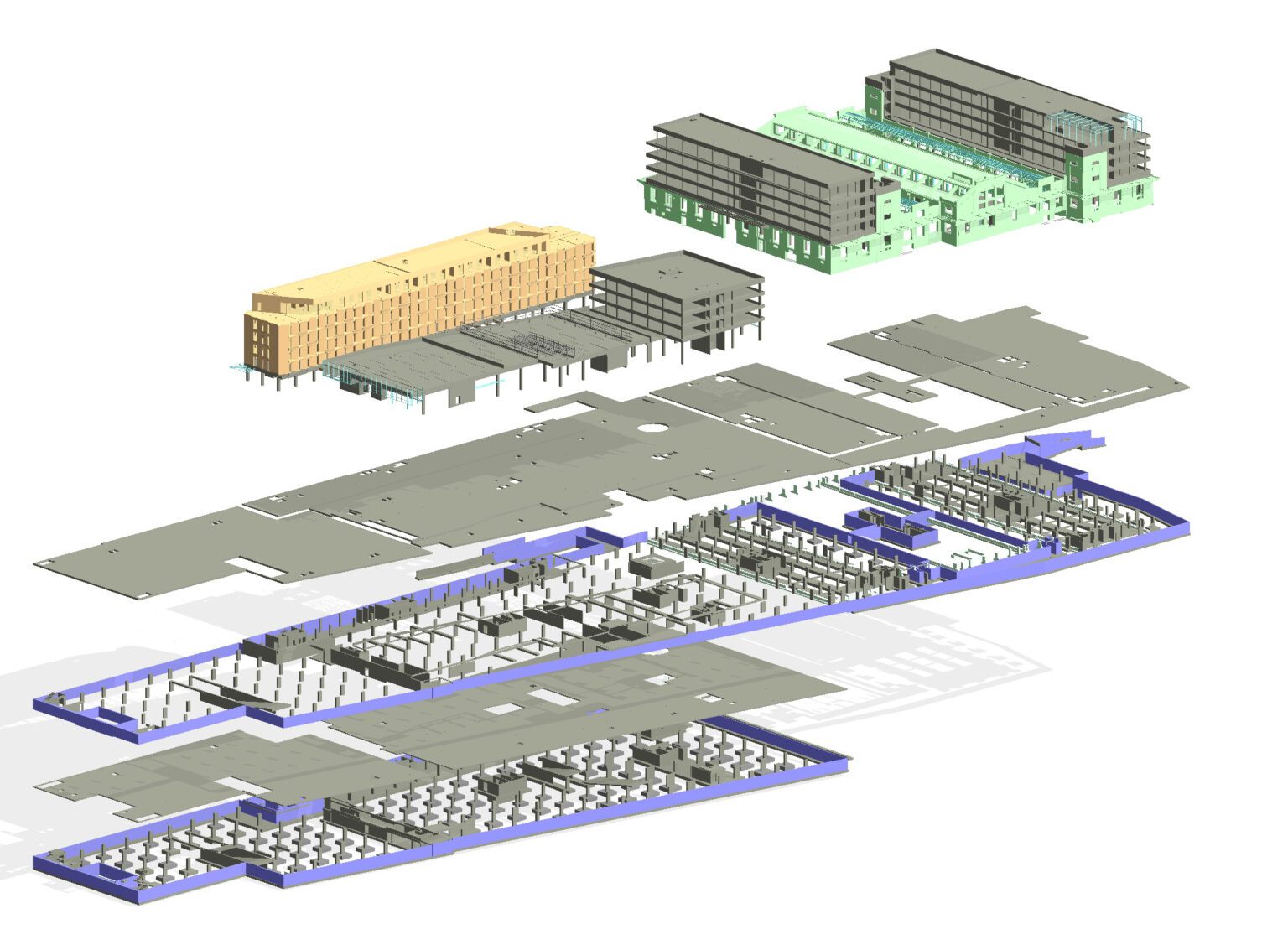
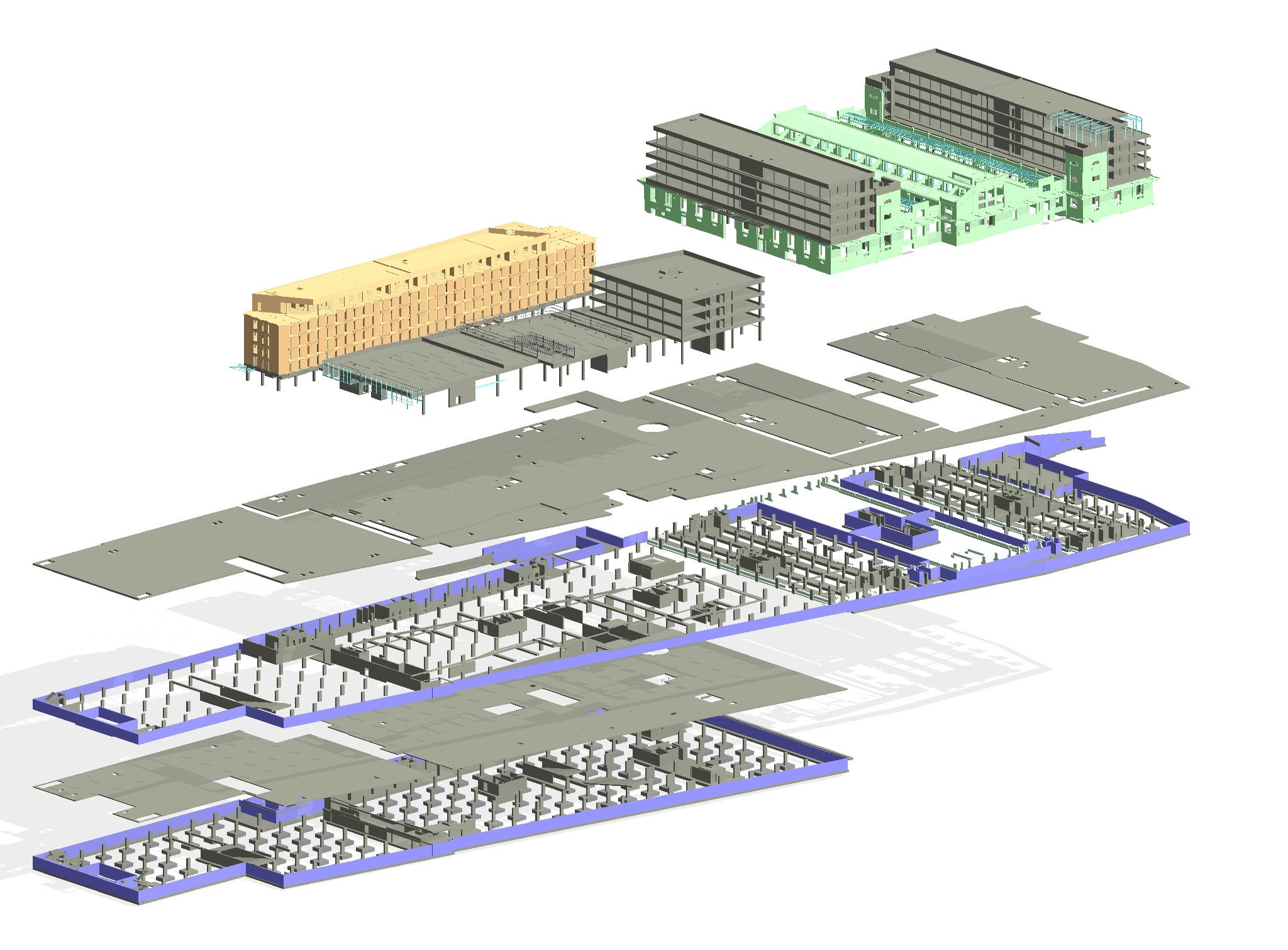
Services Structural Design / Geotechnical Design / Site Supervision and Construction Advisory

The new Manifattura Tabacchi becomes a sustainable and connected district that brings together mixed functions, public spaces, and historical heritage.

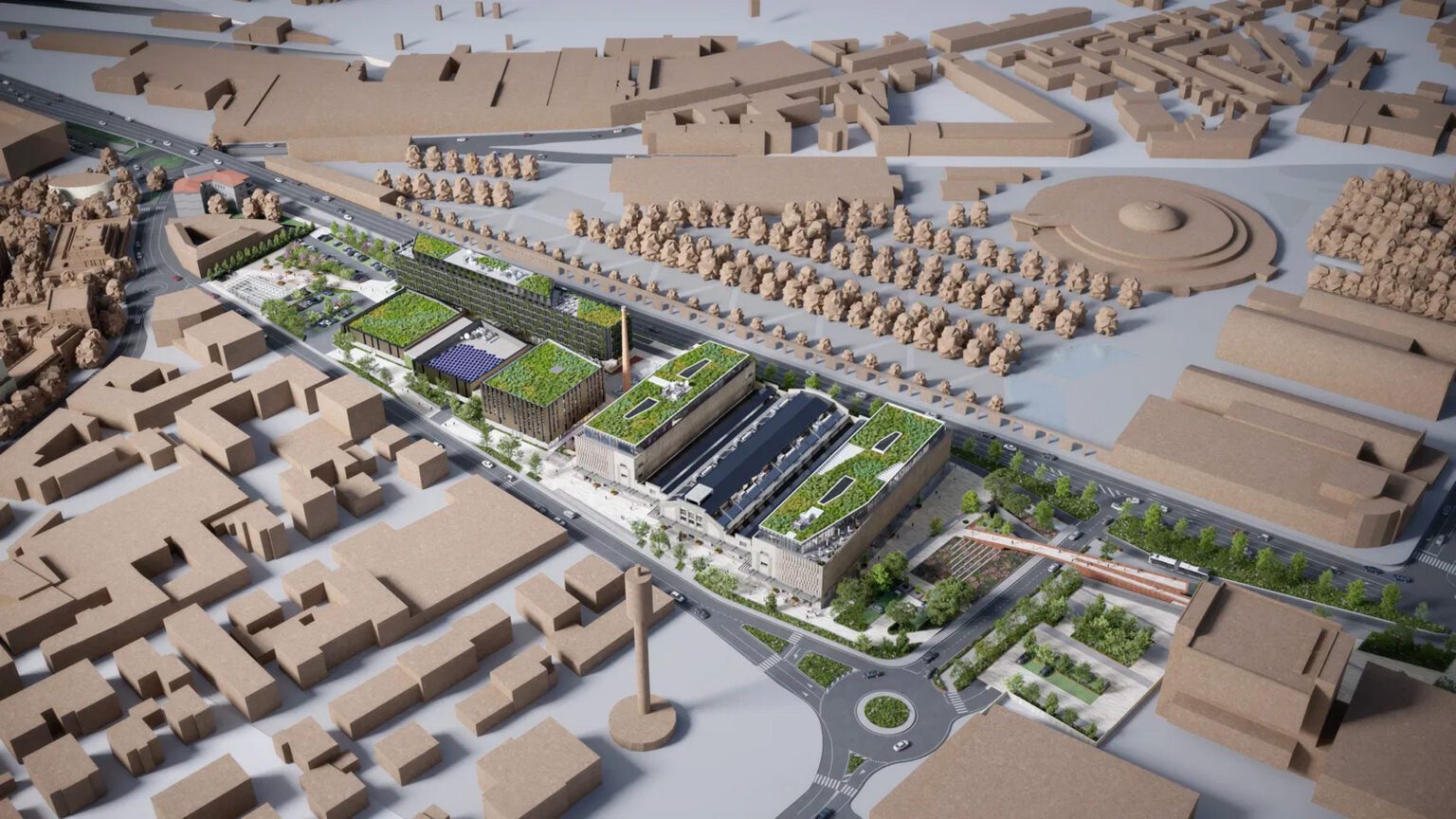
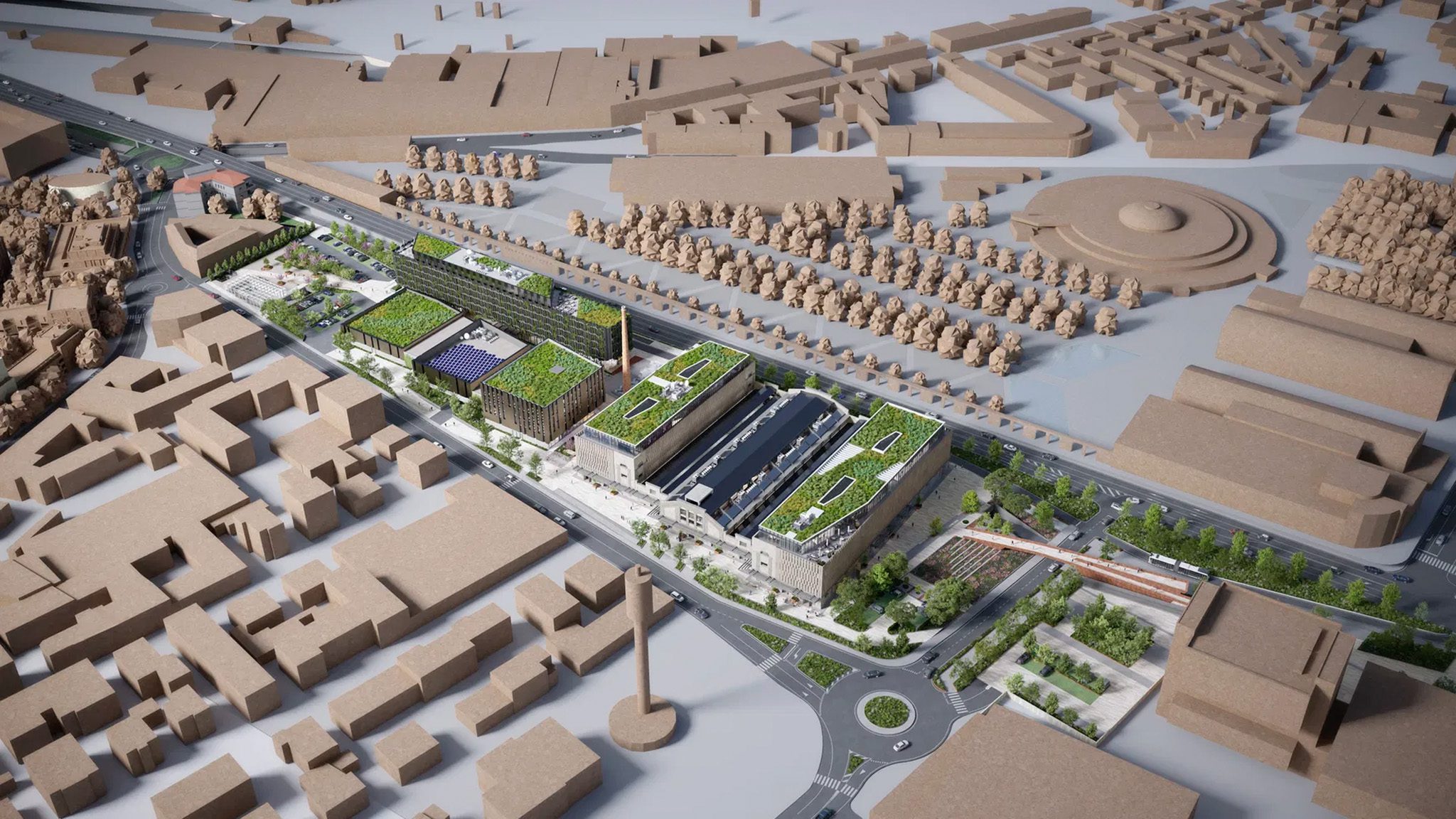
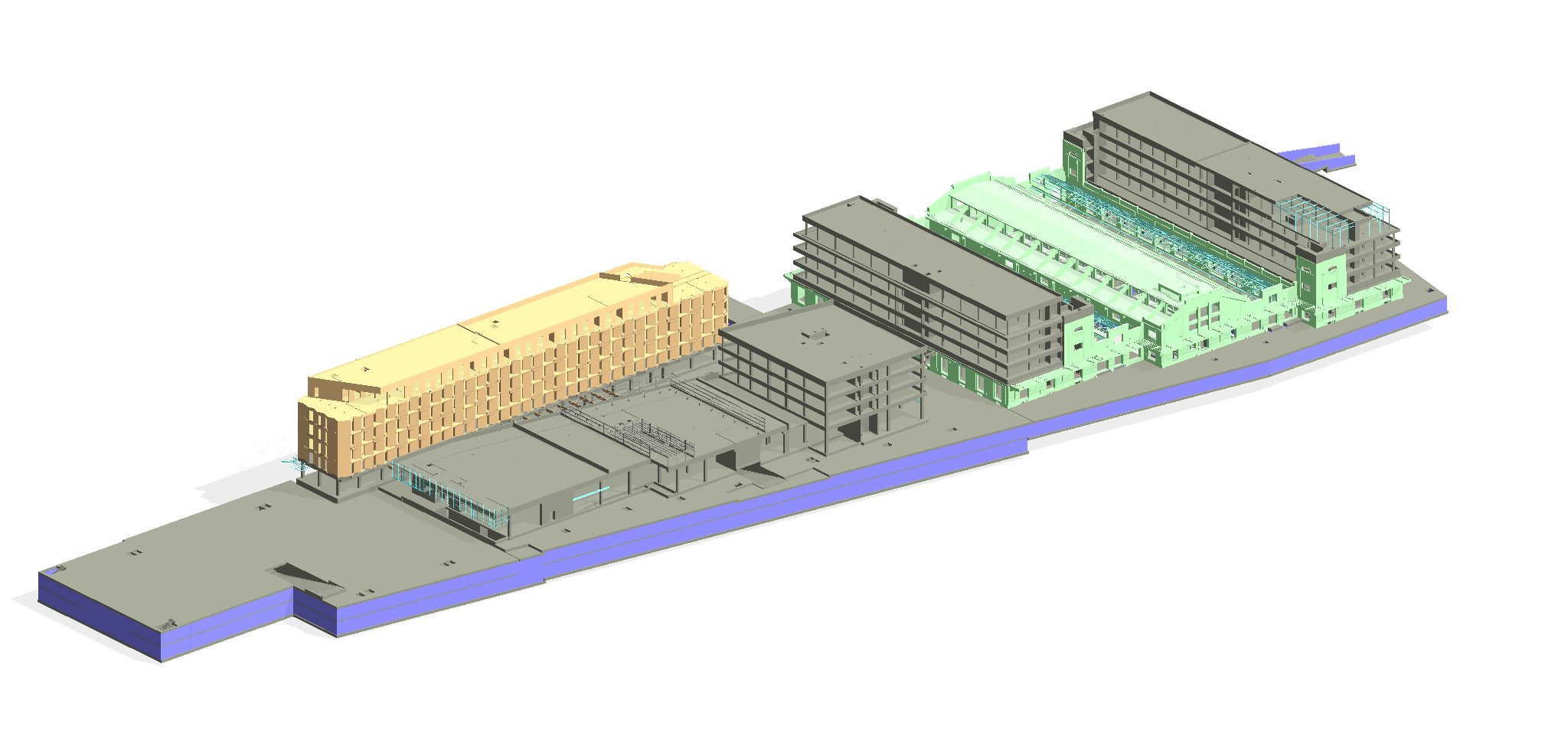
The redevelopment of the former Manifattura Tabacchi in Verona, whose construction site began in 2026, is located in a strategic position along the axis connecting the historic city center with Veronafiere and will give rise to a new integrated urban district. To the south, a pedestrian bridge and a public square will provide a direct connection to the fairgrounds, while to the north a linear park will extend the link toward Verona Porta Nuova railway station and the city center.

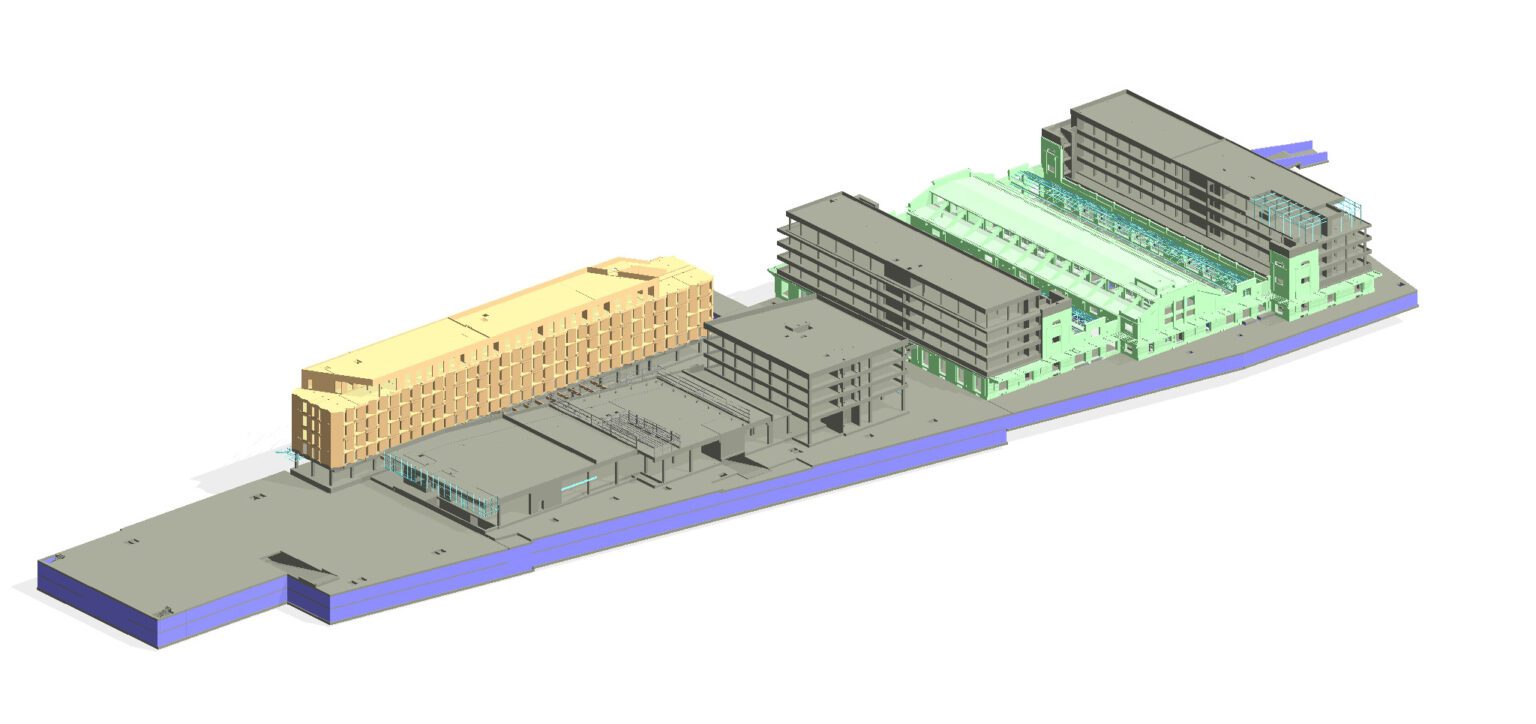
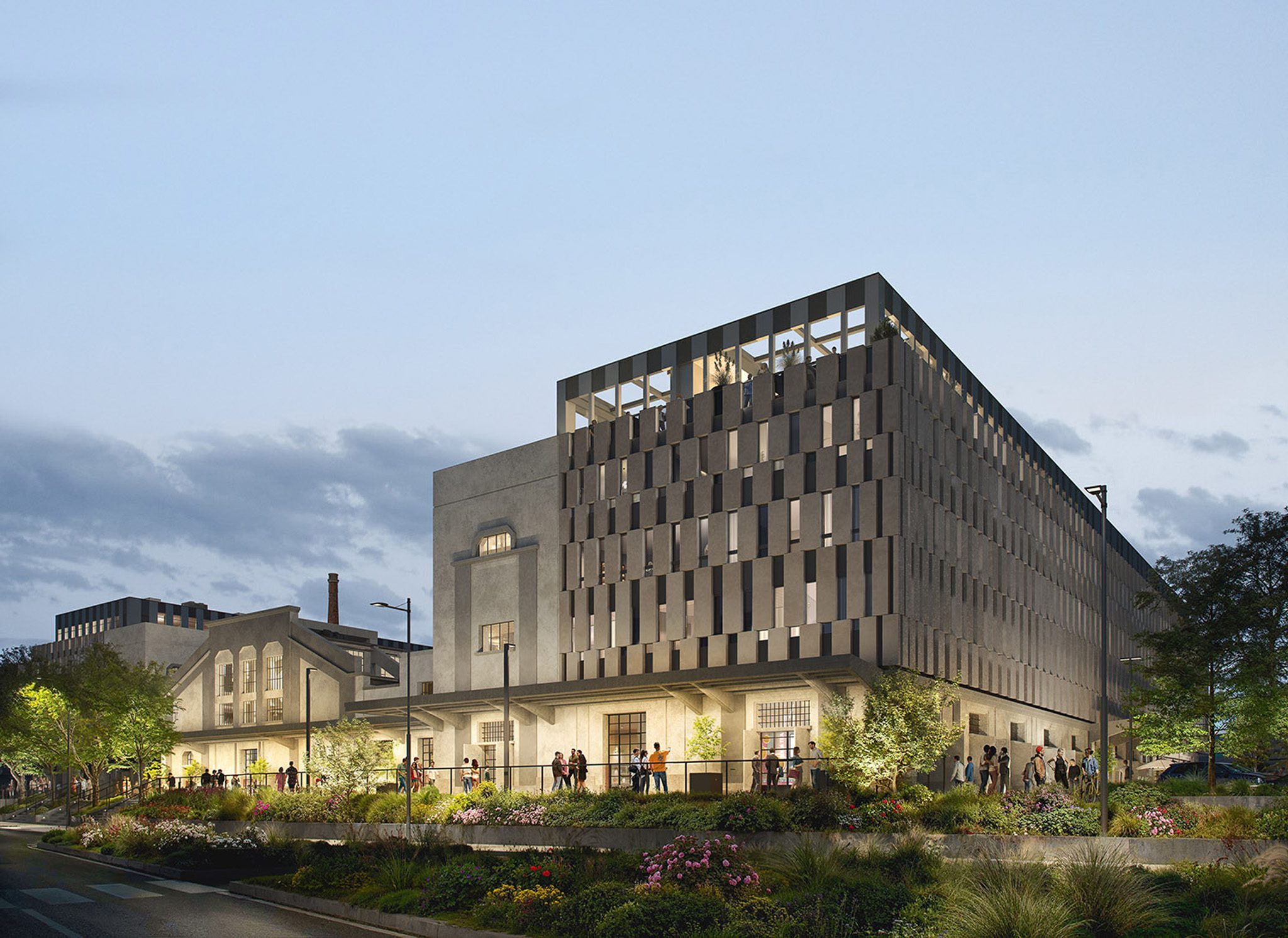
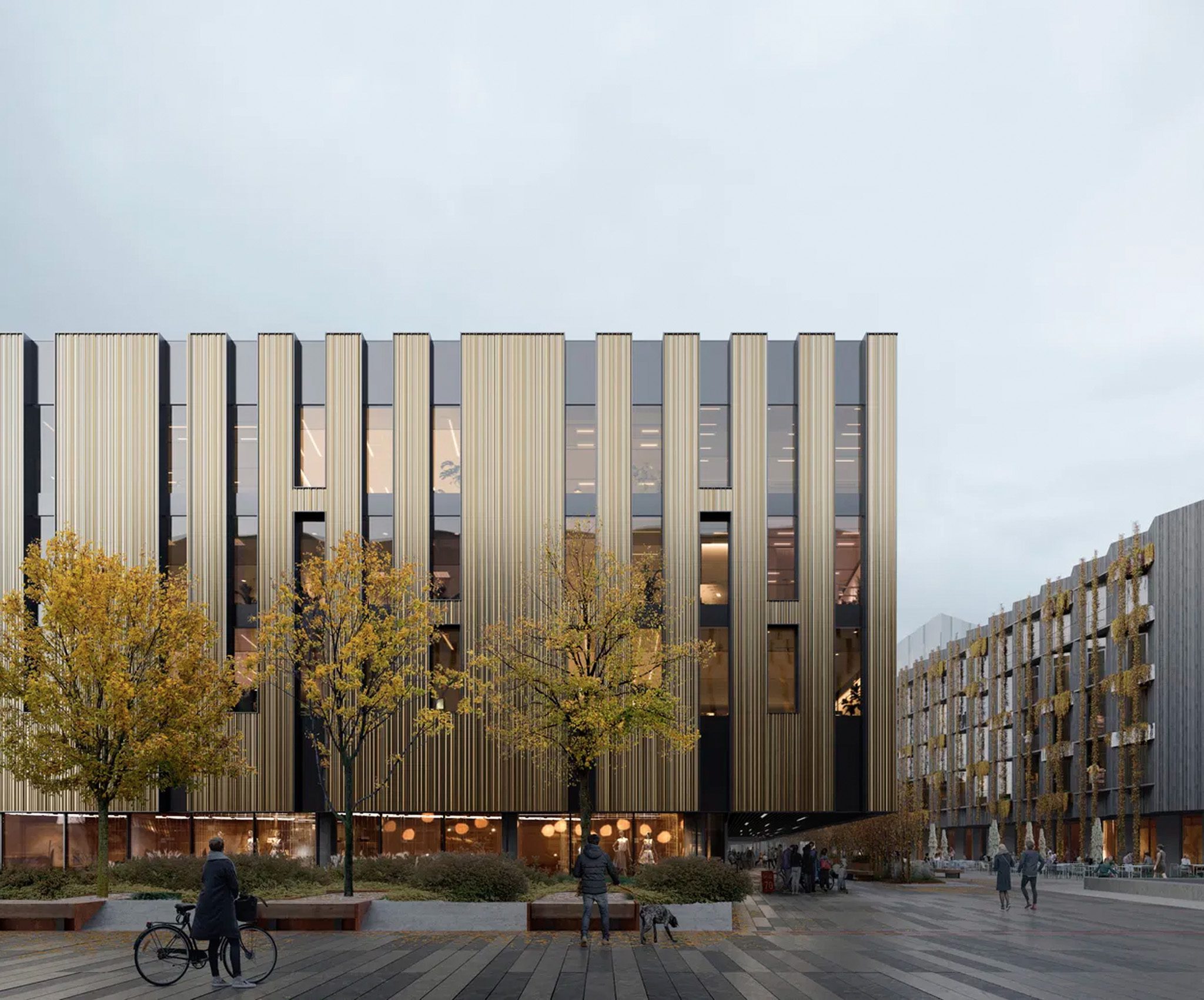
Across the 37,000 m² site, the development will include a commercial podium, restaurants and a food court, shops, offices, budget and lifestyle hotels, green areas, and underground parking facilities. The project combines the restoration of existing buildings with newly designed volumes, public spaces, inner courtyards, and green roofs.
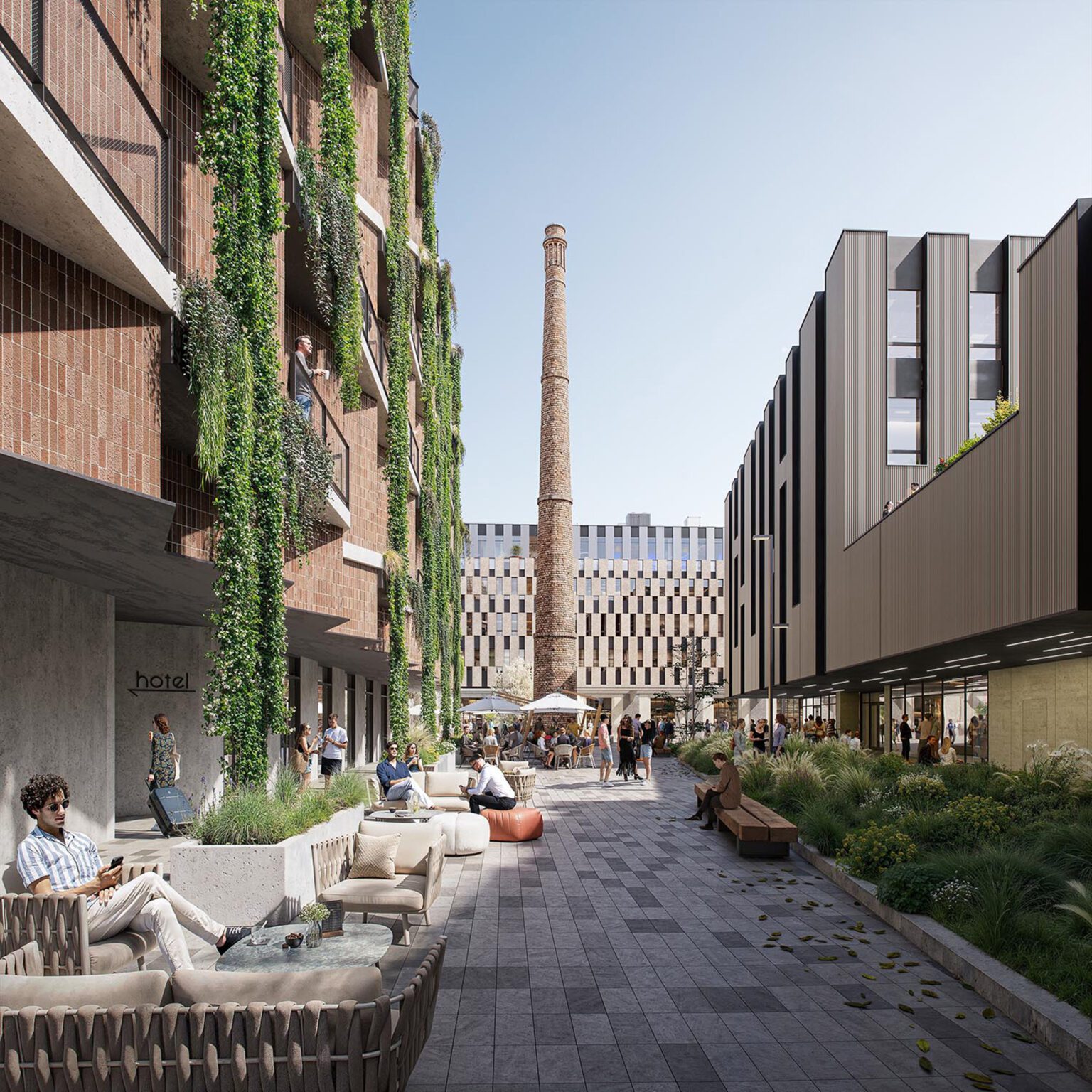
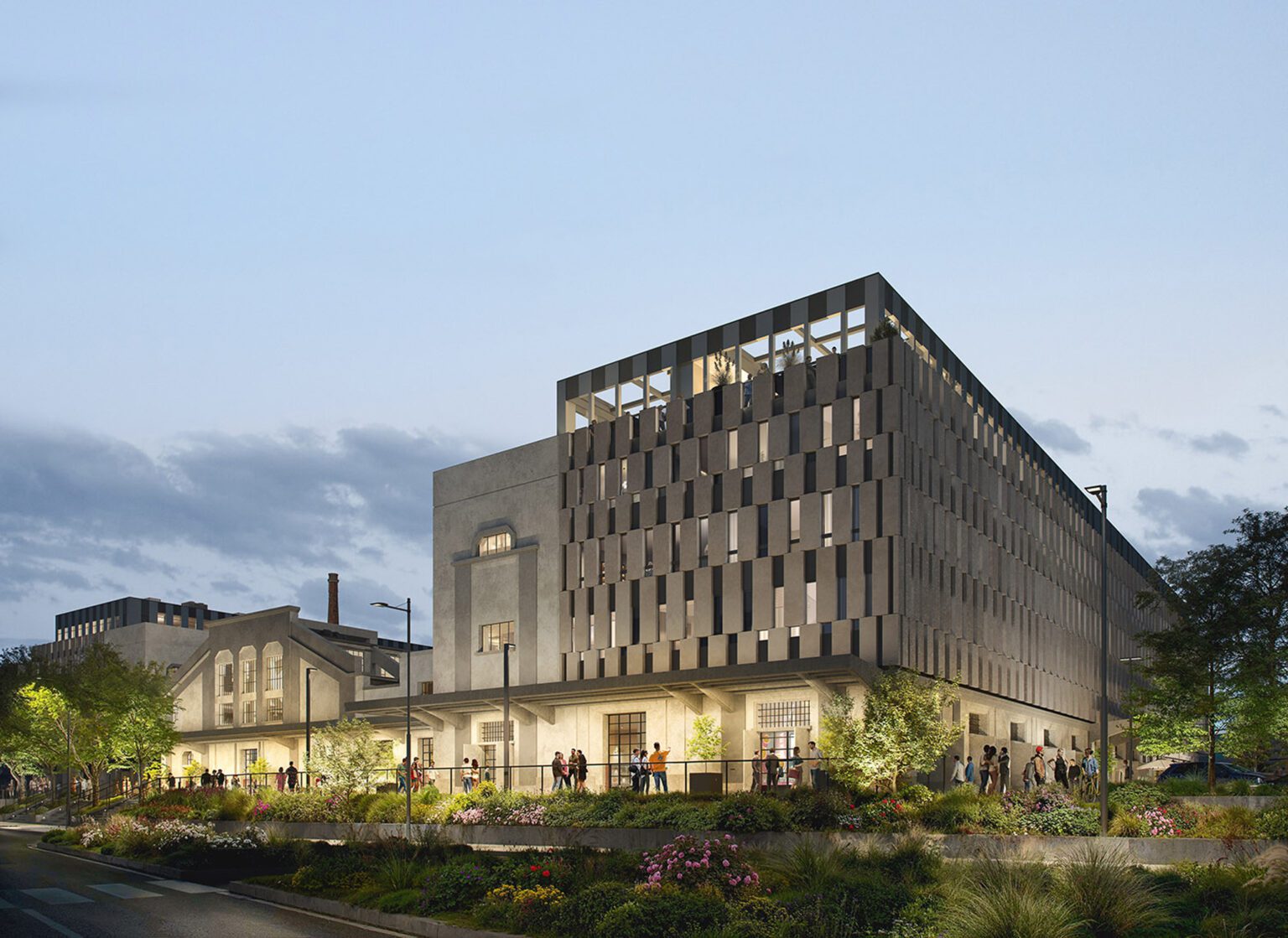
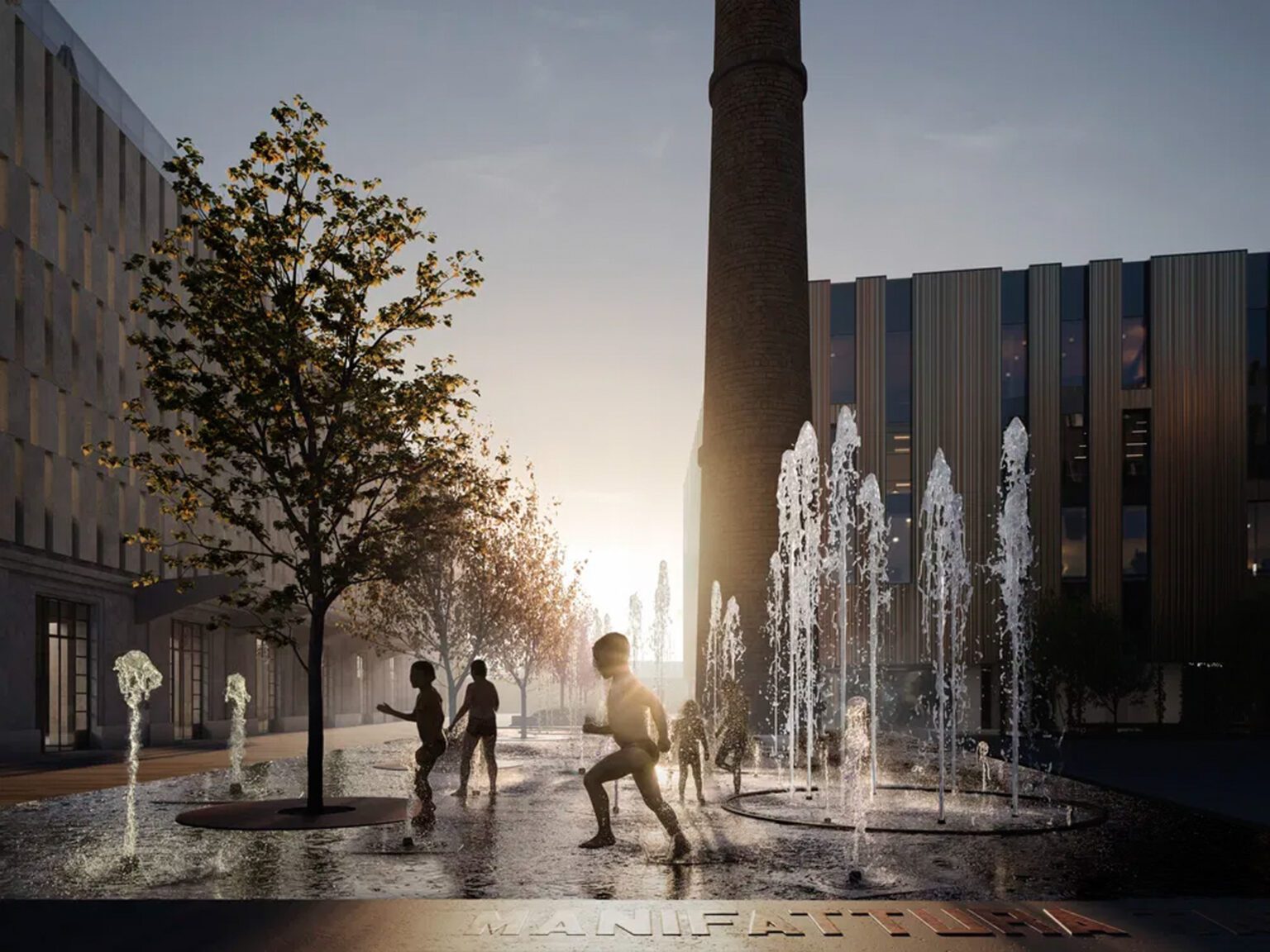
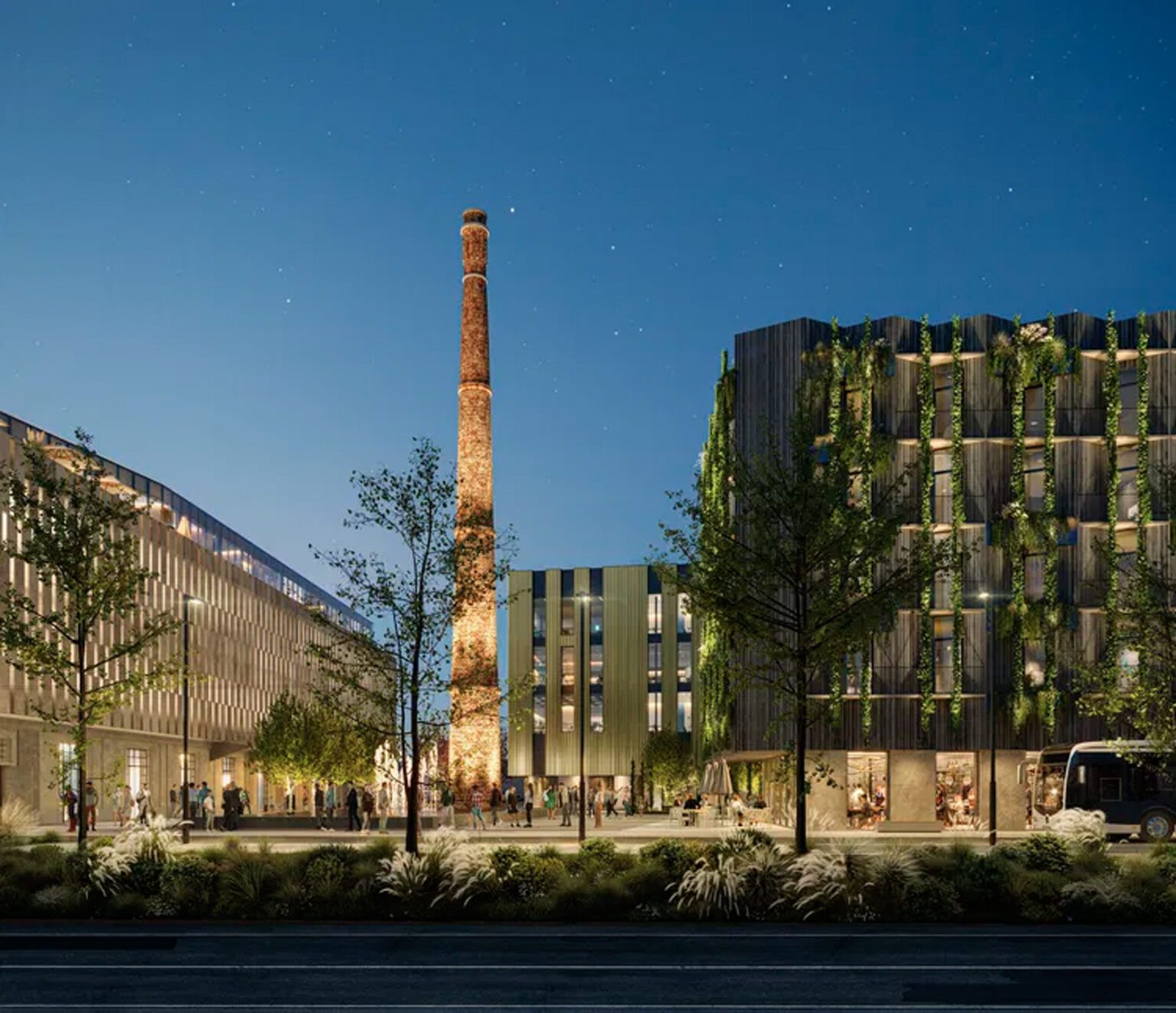
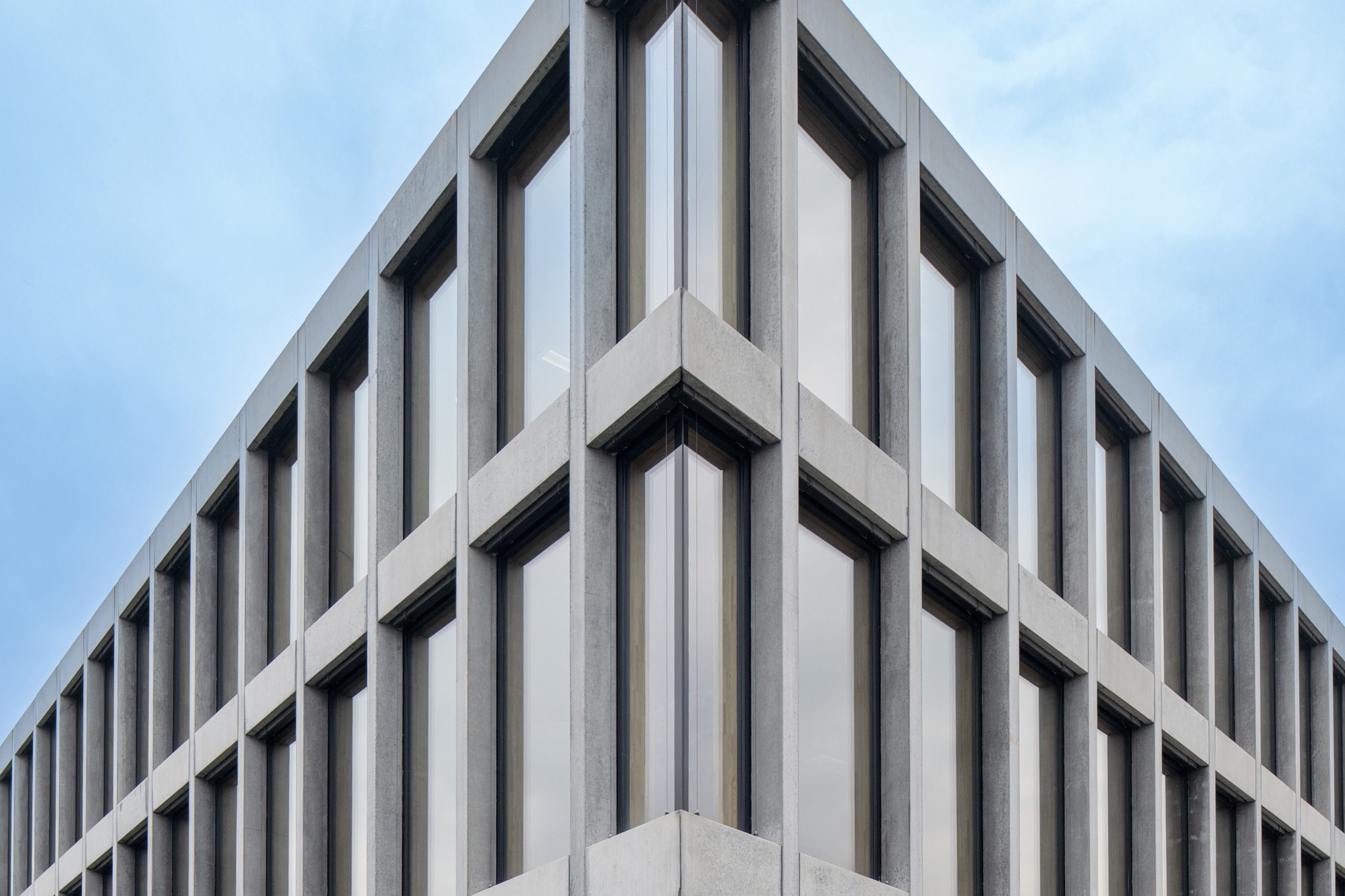
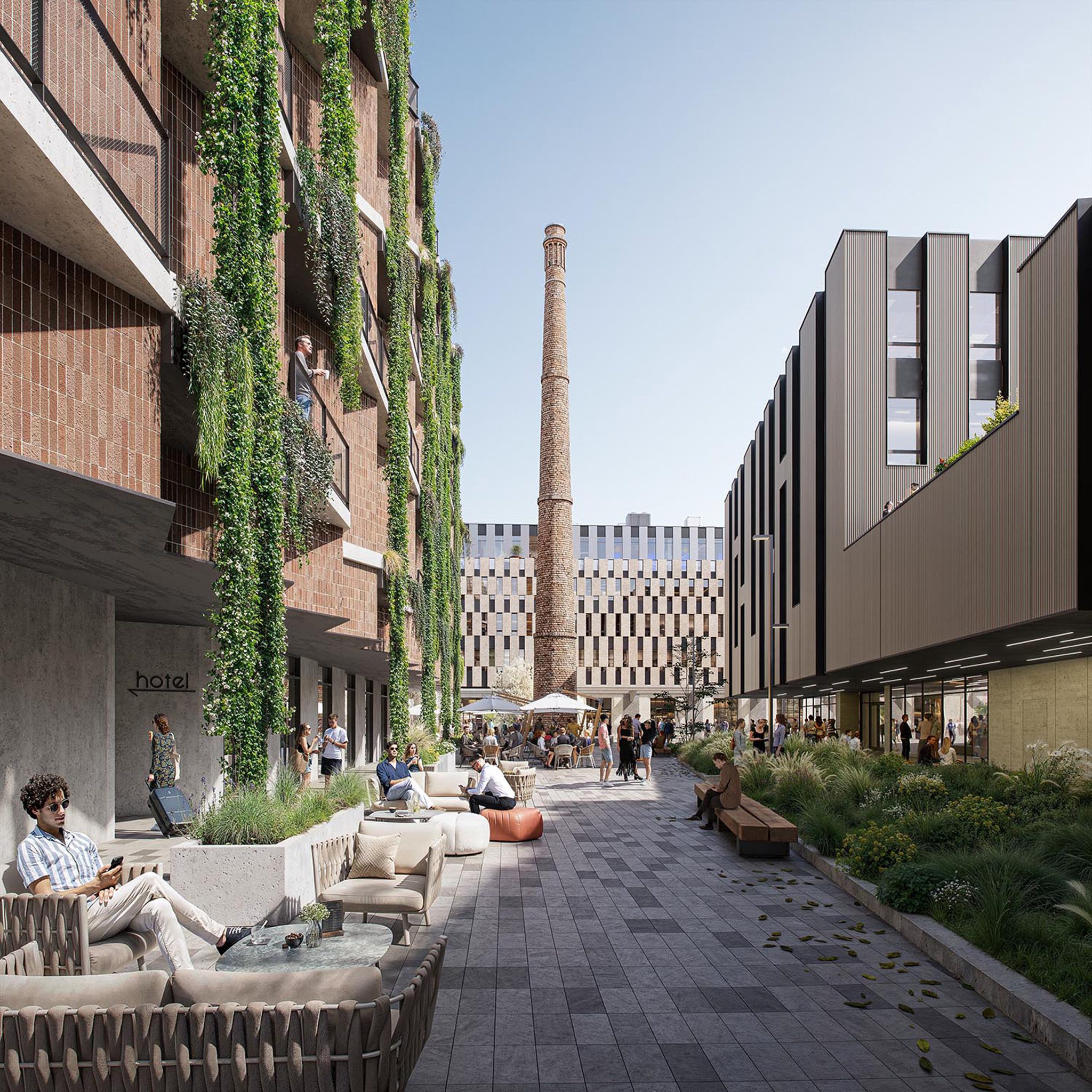
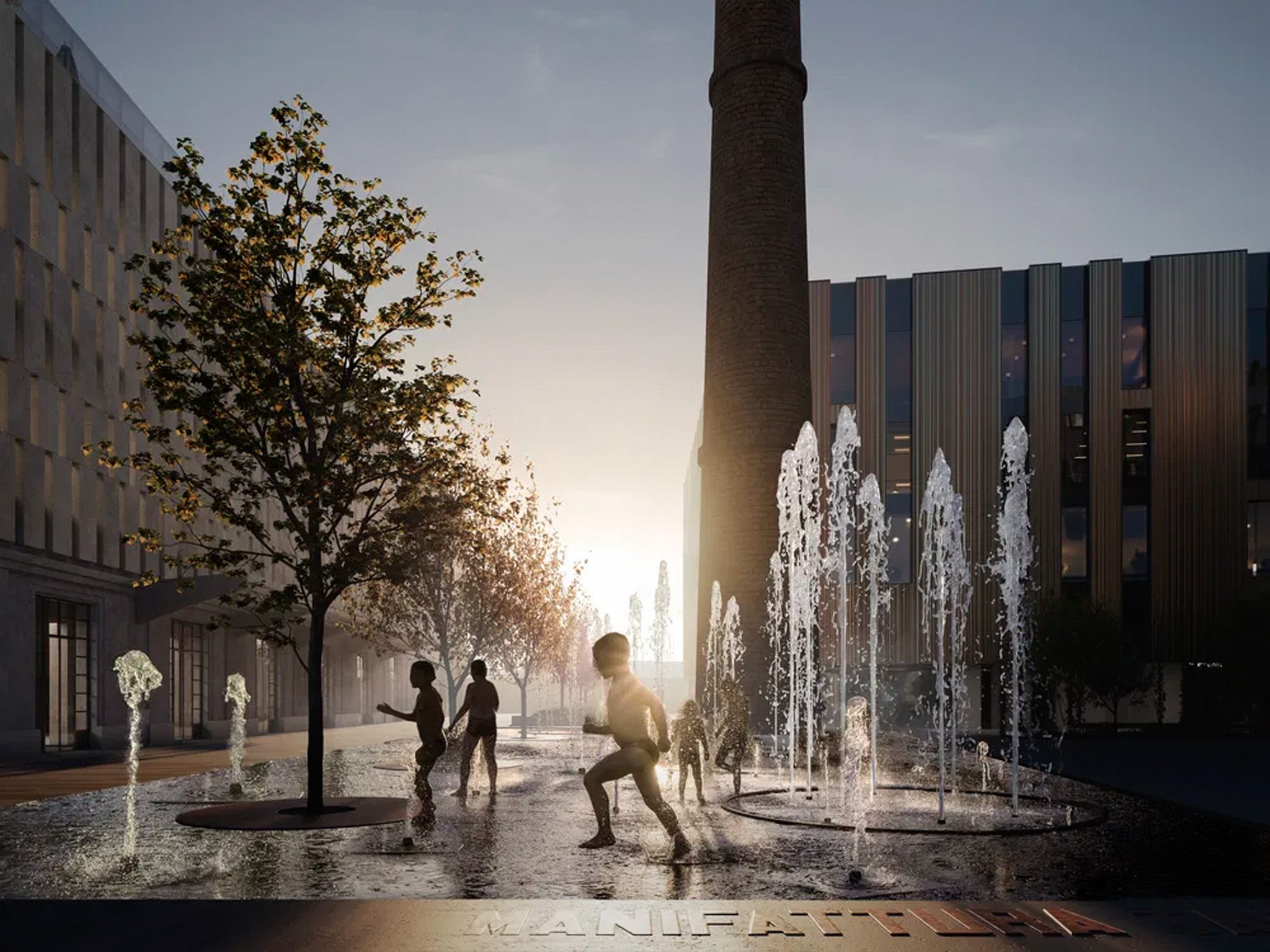
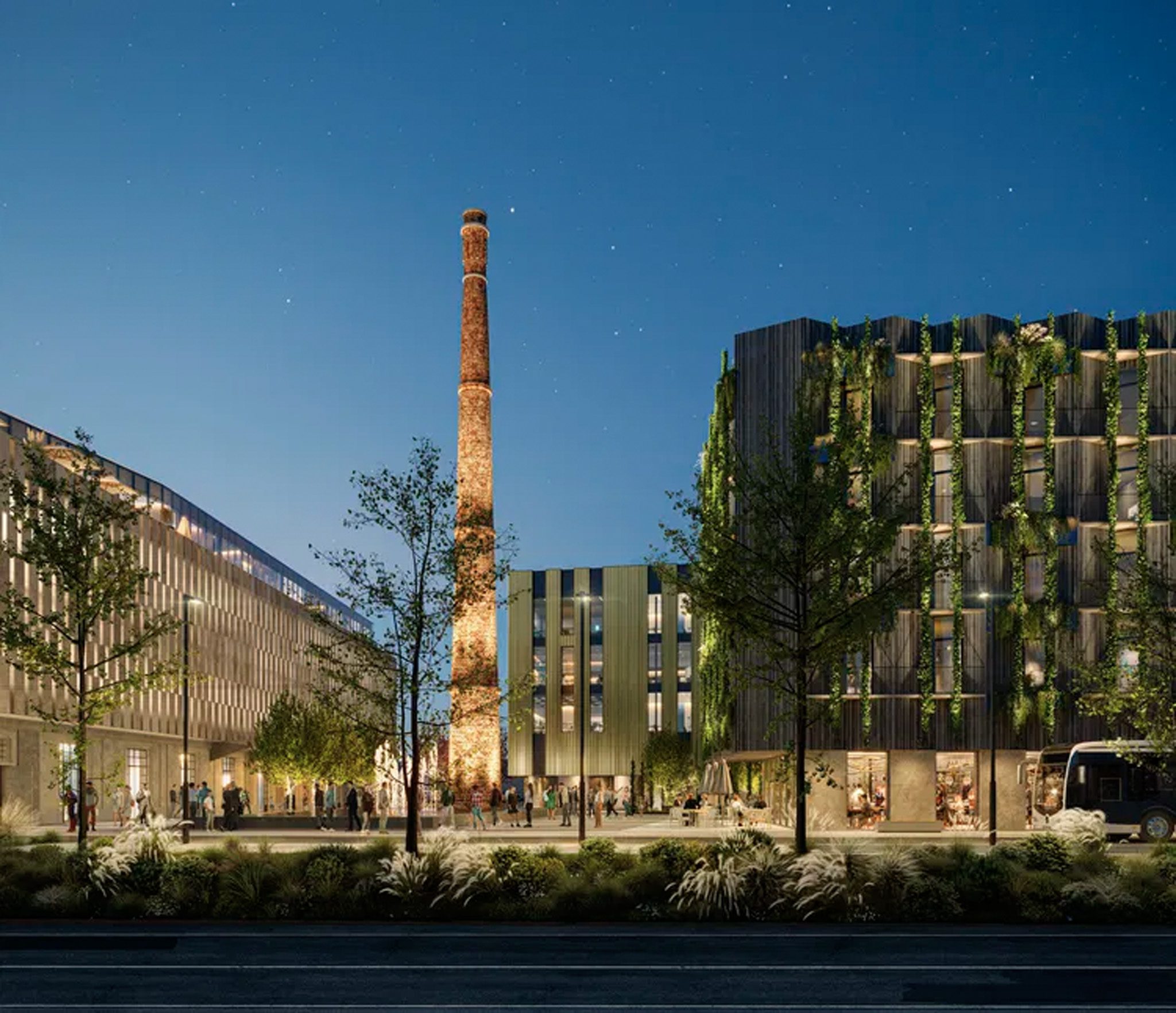
The façade of the historic building will be reinterpreted with a chess patterned double skin that recalls the original 1930s architecture, later expanded during the 1960s. Elements such as the old chimney and a rediscovered 19th century fortification will be preserved as testimonies of the industrial and historical heritage of the area.

The architectural design, entrusted to the international studio Snøhetta, places strong emphasis on sustainability: the buildings will be highly energy efficient and will incorporate renewable energy technologies, aiming for the highest LEED standards. This includes the use of wood structures (cross laminated timber and glulam) for the large building facing Viale del Lavoro, further reinforcing the project’s environmental performance.

Soft mobility plays a central role in the masterplan, with pedestrian and cycling paths running throughout the complex and connecting to the new public squares—including the symbolic Piazza della Ciminiera—the pedestrian bridge, and the future trolleybus stop on Viale del Lavoro. The intervention also includes public works such as the redevelopment of the area in front of Veronafiere.

The proximity to Verona Porta Nuova station, set to be further enhanced by the new Brenner–Verona high speed rail line, will make the new Manifattura Tabacchi district increasingly accessible and well connected to the rest of the city.